How to Make Your Yard and Home Exterior Safer as You Age in Place
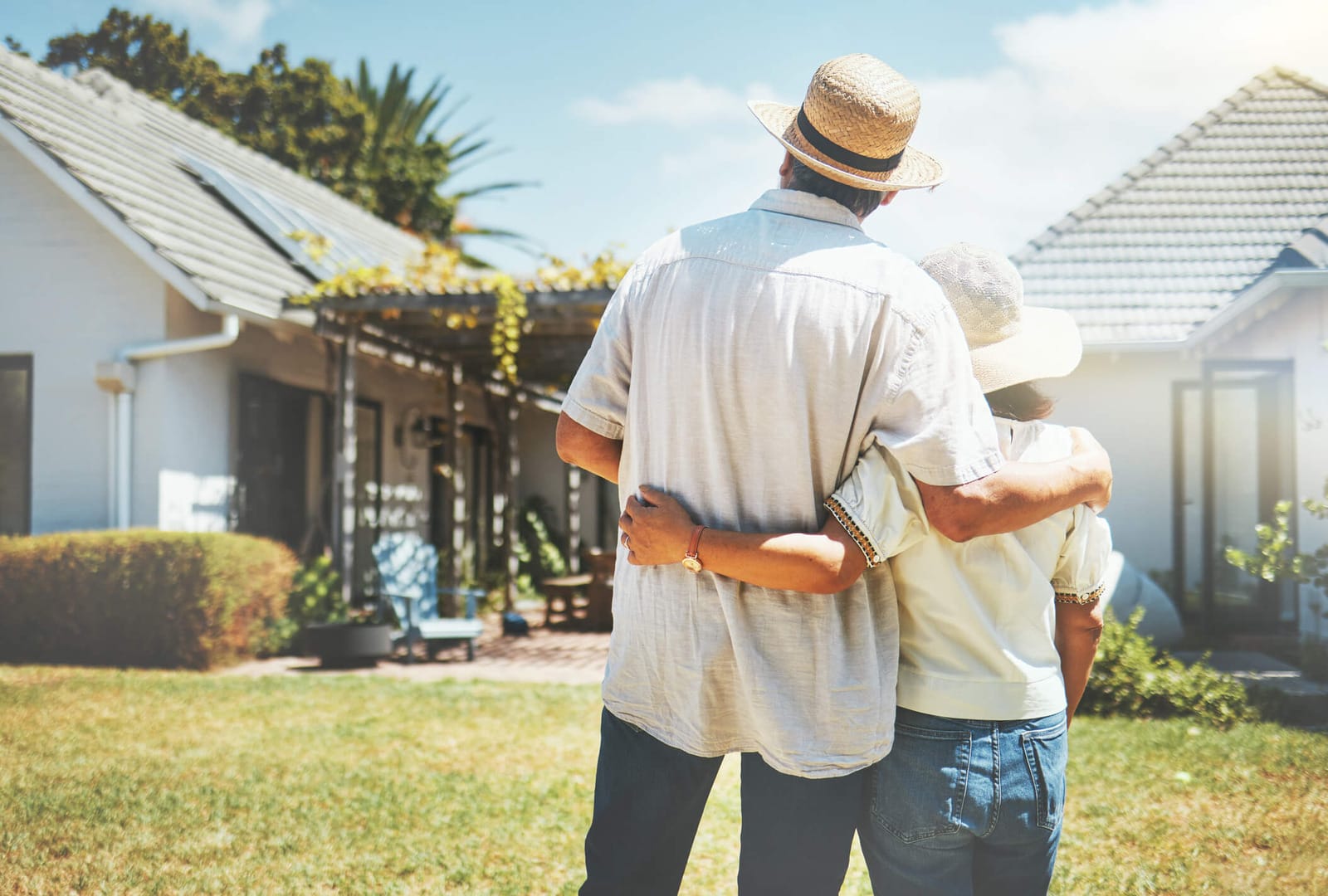
When people think about making a home safer for aging in place, they usually focus on the bathroom or kitchen. But the outside of your home deserves equal attention. Walkways, entryways, lighting, and landscaping all play a real role in fall risk and daily safety. Here are practical ideas at every budget level, starting with options that cost next to nothing.
Free or Low-Cost Steps You Can Take Right Now
Clear Walkways and Entrances of Clutter and Overgrowth
One of the simplest and most effective things you can do is make sure all walkways and entry areas are clear. Garden tools, empty pots, and other items left on pathways create tripping hazards. Keep these items stored in a designated spot in the garage, a shed, or a specific area of the yard when they are not in use.
Overgrowth along walkways is equally worth addressing. Weeds and encroaching vegetation can make surfaces uneven and harder to navigate. Pruning shears and a vinegar solution to suppress regrowth can keep vegetation in check. An edger along pathway borders helps maintain a clean edge. Applying mulch or gravel on either side of walkways suppresses weeds effectively, and a regular sweep or pressure wash removes dirt, moss, and debris that can become slippery.
Place Seating Strategically Around the Yard
Think about where you might need a place to sit and rest during outdoor activities. A chair near the front door can double as a spot to set down groceries while you unlock the door. Seating inside or next to the garage is handy when working on projects. A bench alongside a longer walkway gives you a place to pause and catch your breath. A weather-resistant chair near the mailbox or side gate is useful on collection day. A collapsible chair that moves with you as you work in the yard is another practical option. Just make sure any outdoor furniture is positioned away from pathways where it could itself become a hazard.
Organize Your Tools
Disorganized tools are a fall risk waiting to happen. Rakes and shovels leaning against a wall can topple unexpectedly, and retrieving tools from a cluttered corner involves the kinds of bending, stretching, and reaching that increase injury risk. Designating a specific area of the garage or a shed for tools, installing a pegboard for smaller hand tools, and using a wall-mounted rack for longer tools like rakes and shovels keeps everything accessible and safe. A wheeled garden tool organizer that you can bring with you as you work around the yard is another helpful option.
Budget-Friendly Upgrades Worth Considering
Add Nonslip Surfaces to Walkways
Gravel and stone walkways can look beautiful but can also be dangerous. Gravel shifts underfoot, making it harder to stay balanced, and stone becomes slippery when wet. Rather than replacing the walkway entirely, there are more affordable fixes. Gravel glue applied over loose gravel binds it in place. A nonslip sealer applied to stone adds texture that reduces slip risk even in wet conditions. Drainage mats placed in consistently wet or high-traffic areas like around a pool add a layer of safety without major expense.
Improve Outdoor Lighting
Adequate lighting is essential for safe movement around the exterior of your home, especially at dusk and after dark. Solar-powered pathway lights are an affordable and easy-to-install option that lines walkways with consistent illumination. Motion-sensor lighting in high-traffic areas like the garage entrance activates automatically when you need it. Sconces or solar wall lights mounted on either side of entry doors improve visibility and make keys and locks easier to manage. Adding light near any exterior steps, seating areas, or secondary entrances rounds out a comprehensive outdoor lighting plan.
Install a Keyless Entry
Using a traditional key can be genuinely challenging for anyone with reduced grip strength, limited dexterity, or full hands from carrying groceries or using a cane. A keyless entry system eliminates that friction. Options include keypad locks that use a numeric code, smart locks operated through a phone app, biometric locks that use a fingerprint, and automatic locks that unlock as you approach and lock when the door closes. Most of these systems also allow you to share access codes or unlock permissions with trusted family members, which is useful in case of an emergency.
Larger Projects for Greater Impact
Install a Doorbell Camera and Security System
A doorbell camera lets you see who is at the door before opening it and can be viewed from a smartphone from anywhere in the home. A broader security system with strategically placed cameras, motion sensors, and door or window alerts provides both safety and peace of mind. Family members and care team members can also check in remotely using these systems, which can be reassuring for everyone involved.
Add an Outdoor Ramp
Stairs become increasingly difficult to navigate safely with age-related changes in balance and mobility. A ramp is a worthwhile addition even if you do not currently use a wheelchair or walker. When planning an outdoor ramp, consider whether you want a temporary option that covers existing steps or a more permanent installation, the material you want (aluminum tends to require less maintenance than wood), and the appropriate length. ADA guidelines call for 12 inches of ramp length for every inch of stair height, which is a helpful baseline for any installation.
Design a Low-Maintenance Outdoor Space
Yardwork can become overwhelming as physical capacity changes. Redesigning your outdoor space for lower maintenance lets you continue enjoying it without the burden. Hardscaping with pavers or gravel reduces the area that needs mowing. Rockscaping around the foundation suppresses weeds and adds curb appeal. Raised garden beds allow you to continue gardening without bending to ground level. Native plants thrive with minimal intervention. Grass alternatives like clover require no regular watering or mowing and stay green with much less effort.
Your Yard Should Work for You
The exterior of your home is part of your daily life, and it should feel as safe and manageable as the interior. Whether you start with clearing a walkway today or plan a larger ramp installation down the road, every improvement you make to your outdoor space is an investment in your ability to stay comfortably and safely in your home for years to come.
Ready to Take the Next Step?
Whether you're just starting to think about downsizing or need immediate assistance, we're here to help you navigate your real estate transition smoothly.