You Don't Have to Navigate This Transition Alone
Let's make your next chapter calm, clear, and dignified.
Schedule a Complimentary, No-Pressure ConsultationDeciding what to do with a longtime home is rarely just a financial decision. It is personal, emotional, and deeply tied to family and memories. Whether you are exploring downsizing, moving to a low-maintenance community, or helping an aging parent, you deserve a partner who moves at your pace.

Certified Seniors Real Estate Specialist® (SRES®)
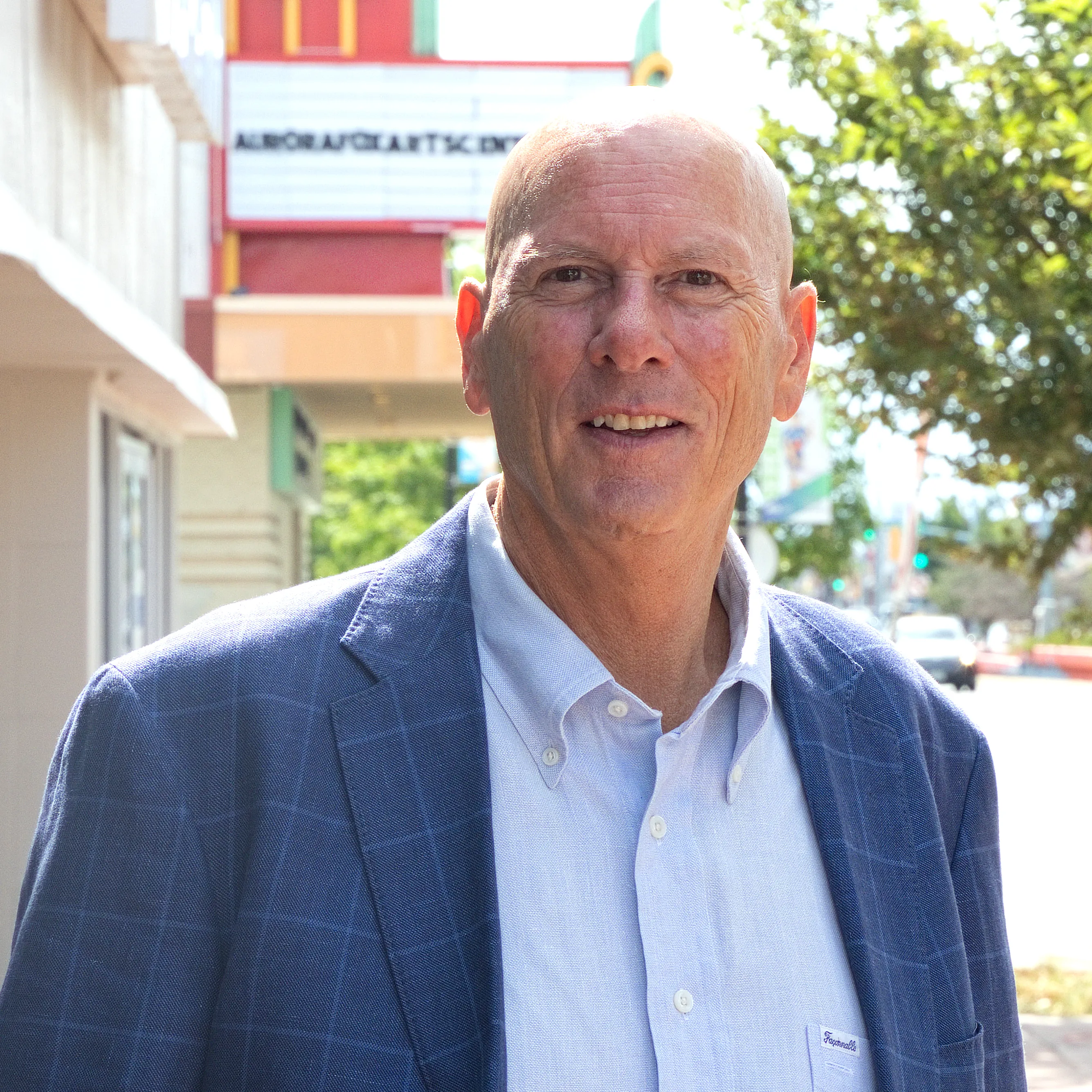
A Note From Ross King, Founder & SRES®
“Over the years, I've guided countless Denver families and my own through real estate and life transitions. I know firsthand that sorting through decades of belongings, managing home repairs, and choosing what comes next can feel paralyzing.
I built King Real Estate Group's senior support system to take the weight off your shoulders. We don't just put a sign in the yard. We listen first, respect your timeline, and coordinate everything from gentle packing to custom transition plans. You have the ultimate authority over your future—I am simply here to clear the path.”
Our Gentle, 3-Step Transition Process
Step 1: Talk – We Listen to Your Story First
We begin with a quiet, no-pressure conversation. You share your timeline, your worries, and your personal goals. We focus entirely on understanding both the practical and emotional sides of your situation before a single plan is considered.
Step 2: Plan – We Build a Clear, Manageable Path
Next, we tailor a step-by-step roadmap unique to you. This includes organizing the decluttering process, introducing you to our vetted network of gentle packers, and crafting a pricing strategy that protects your financial health.
Step 3: Transition – Full Support Every Step of the Move
When you are ready, we move forward together. Our team handles home preparation, coordinates showings, and manages negotiations. Crucially, we help you seamlessly line up your next home or senior living community so you can settle in with total peace of mind.
Your Complete Senior Transition Support Network
When you partner with us, you gain access to a hand-selected, senior-friendly ecosystem of local professionals:
Relocation & Downsizing Experts
Patient organizational teams who treat your belongings and memories with absolute care.
Handyman & Clean-Out Services
Trusted contractors who handle repairs, donations, and junk removal without overwhelming you.
Senior Living Navigators
Guides to help you effortlessly compare 55+ communities, independent living, or aging-in-place modifications.
Frequently Asked Questions from our Clients and their Families
Deciding whether to stay or move
Families weighing whether to stay in a longtime home or move to something more manageable tend to ask the same few questions about cost, safety, and support. Below are the ones we hear most often. If yours is not here, please call. We are always glad to talk it through.
How do I decide whether to stay in my home or move?
Begin with what matters most to you: familiar surroundings, less upkeep, time with friends, proximity to family, or easier daily routines. Then look at how well your current home supports those priorities. A birthday alone does not determine when someone should move.
Compare three possibilities: staying with added help, making selected changes, or moving to a more manageable home. Consider costs, transportation, maintenance, and the support you could realistically count on. A healthcare professional can help with care-related concerns. King Real Estate Group can help you explore the housing choices without assuming that selling is the answer.
Resources: National Institute on Aging — Planning to remain at home, King Real Estate Group — Aging in place
How can I compare the full cost of staying at home with the cost of moving?
Create two monthly budgets using the same categories. For staying home, include housing payments, taxes, insurance, utilities, maintenance, transportation, meals, and any paid help. A paid-off mortgage does not remove the other costs of homeownership.
For moving, include rent or ownership costs, community or association fees, care charges, and services that remain separate. Keep one-time expenses—selling, repairs, packing, moving, and deposits—in a separate list. Use actual bills and written quotes, and ask a financial adviser to review affordability over time. Also discuss the time and energy family support requires. The better choice is the one that fits both your resources and daily life.
Resources: National Institute on Aging — Planning to remain at home, CareScout — Cost of care data and planning resources
What changes could make my home easier to live in as I get older?
Start with the everyday tasks that feel inconvenient. Better lighting, clear walking paths, secure handrails, and frequently used items within easy reach may make a meaningful difference. The CDC's home checklist also highlights loose rugs, cords, and bathroom supports as areas to review.
Larger changes might involve an entry with fewer steps or a bedroom and bathroom on the main floor. Ask an occupational therapist about your individual needs and a qualified contractor about installation and feasibility. You do not need to remodel everything at once. Begin with a professional review of the concerns that matter most to you.
Resources: CDC — Home fall prevention checklist, King Real Estate Group — Aging in place
What is a Home Safety Walkthrough, and how is it different from a home inspection?
King Real Estate Group's Home Safety Walkthrough is a practical conversation and visual review of features such as entryways, stairs, lighting, flooring, bathrooms, and walking paths. It helps identify questions and possible next steps as you consider staying, modifying the home, or moving.
It is not a home inspection, medical assessment, accessibility certification, or guarantee of safety. A home inspector evaluates the property within the scope of an inspection; healthcare, accessibility, and construction professionals address their respective specialties. After a walkthrough, your next step might be a professional referral, a small change, or simply a plan to revisit the conversation. There is no expectation that you will sell.
Resources: King Real Estate Group — Aging in place, CDC — Home fall prevention checklist
Who can help with home maintenance and everyday tasks if I want to stay?
You may be able to combine help from family and friends with services such as housekeeping, yard work, snow removal, grocery delivery, or transportation. Start by listing the tasks you would most like to hand off, along with how often you need help.
The Denver Regional Council of Governments' Area Agency on Aging offers information and connections to local resources for older adults and caregivers. Service areas, eligibility, fees, and availability vary. King Real Estate Group may also introduce independent home-service providers. For hands-on personal care or health needs, speak with a qualified care professional about appropriate support.
Resources: DRCOG — Area Agency on Aging and local support
What is a Seniors Real Estate Specialist®, and how can one help?
A Seniors Real Estate Specialist® (SRES®) is a real estate professional with specialized education focused on serving adults age 50 and older through housing and lifestyle transitions. That can be helpful when a move involves a long-time home, family coordination, downsizing, or changing housing priorities.
Ross King, Broker / Owner of King Real Estate Group, holds the SRES® designation. He can help you understand property options, organize the real estate timeline, and identify questions for other professionals. The designation does not make someone a healthcare provider, attorney, tax adviser, or senior placement specialist. The goal is to make informed housing decisions with patience and respect for your preferences.
Resources: SRES® — Specialized real estate education for serving adults over 50, King Real Estate Group — Housing and real estate support
Ready to talk? Let's take the first step together.
Complimentary Consultation“No obligations, no pressure, no rush. Just help”
The Denver Senior Resource Hub: Trusted Community Support
Hand-selected government and non-profit resources to guide your family.
Navigating a major life transition involves many moving parts—from health insurance adjustments to finding reliable local community programs. To make this process smoother for families, we have compiled a list of the most trusted, no-cost government agencies and advocacy non-profits dedicated to supporting older adults.
1. Local Advocacy & Comprehensive Senior Care
When you need to understand your local options, rights, or available regional aid programs, start with these deeply trusted local networks.
Denver Regional Council of Governments (DRCOG) Area Agency on Aging
What they do: This is the premier regional hub providing comprehensive case management, housing resources, and information services for seniors aged 60+ across the 8-county Denver metro area.
Explore their community directory via the DRCOG Area Agency on AgingAgeWise Colorado
What they do: A statewide non-profit platform providing curated educational content, tools, and a verified directory to help older adults comfortably age in place or transition smoothly.
Browse expert guidance at AgeWise ColoradoDenver Human Services: Support for Older Adults
What they do: The official city portal managing local benefit applications, the Old Age Pension program, and specialized long-term care support systems.
Access local government benefits through Denver Human Services
2. Medicare, Insurance & Benefits Counseling
Health insurance shifts often trigger or coincide with real estate transitions. These neutral, non-profit programs help you cut through the confusion.
Colorado State Health Insurance Assistance Program (SHIP)
What they do: A government-funded program that offers free, completely impartial, one-on-one counseling to help families master Medicare options, supplemental plans, and fraud protection.
Request a free insurance consultation through the Colorado SHIP SiteBenefits in Action
What they do: A dedicated Colorado non-profit that walks seniors step-by-step through understanding, applying for, and maximizing their healthcare and food assistance benefits.
Connect with a benefits counselor via Benefits in Action
3. Nationwide Caregiver & Housing Locators
If you are an adult child organizing a transition from afar, national locators can help bridge the geographic gap.
The Eldercare Locator
What they do: A public service of the U.S. Administration on Aging that instantly connects families with localized support for transportation, housing options, and caregiver relief programs across the country.
Find resources across any zip code using the federal Eldercare Locator
Need a warm handoff? Let's chat.
While these public entities provide fantastic baseline tools, executing a physical home transition requires a dedicated, hands-on partner. If you are feeling overwhelmed trying to coordinate these resources alongside a home sale, downsizing project or senior living transition, I am here to help streamline the process.
Contact Ross King today at (303) 548-4300 for a compassionate, zero-pressure strategy session.
Contact Ross